Skip to content

The Uncensored Truth – Examining Power and Control

  • Home
  • About Us
  • CategoriesExpand
    • Climate
    • Digital surveillance
    • Finance
    • Health
    • New World Order
    • Politics
    • Psychology
  • The History of ConspiracyExpand
    • An Introduction to the History of Conspiracy
    • Part 1 – Divine Rule and Silent Obedience: How Egypt and Mesopotamia Engineered Belief for Control
    • Part 2 – From Republic to Religion: How Rome Engineered Obedience Through Empire and Faith
    • Part 3 – The Church, the Crown, and the Chains of Belief
    • Part 4 – The Age of Inquisition: How Fear and Faith Were Forged Into Law
    • Part 5 – Reformation and Reaction: How Faith Fractured — and Power Fought to Reassert Control
    • Part 6 – Science, Statecraft, and the Birth of Secular Control
    • Part 7 – Propaganda and Power: The Machinery of Belief in the 20th Century
    • Part 8 – Digital Censorship and the Engineering of Consent
    • Part 9 – The Engineered Future: Rise of the Technocracy
  • The Philosophy of DoubtExpand
    • The Philosophy of Doubt – Part 1: Critical Thinking Beyond the Official Story
    • The Philosophy of Doubt – Part 2: Why Critical Thinkers Resist Consensus
    • The Philosophy of Doubt – Part 3: Conspiracy or Coherence? When Dismissal Replaces Debate
    • The Philosophy of Doubt – Part 4: The Rational Mind Under Siege
  • The Psychology of ControlExpand
    • Part 1 – The Obedience Reflex: How the Psychology of Obedience Enables Mass Compliance
    • Part 2 – The Manufactured Mind: How Repetition Creates Belief
    • Part 3 – Panopticism: How Surveillance Turned Us Into Our Own Wardens
    • Part 4 – The Reward Trap: How Incentives Shape Compliance
    • Part 5 – Emotional Engineering: How Guilt and Shame Shape Collective Behavior
    • Part 6 – Fear and Free Speech: How Social Pressure Mutes Dissent
  • The Future of FreedomExpand
    • Part 1 – The Panopticon 2.0: Mass Surveillance in the Digital Age
Truth
The Uncensored Truth – Examining Power and Control
  • Debate
    The Philosophy of Doubt

    The Philosophy of Doubt – Part 3: Conspiracy or Coherence? When Dismissal Replaces Debate


    Why Questioning the Narrative Is Now a Revolutionary Act In a world increasingly defined by curated truths and algorithmic consensus, the space for honest disagreement is vanishing. Not because we’ve answered all the big questions, but because many questions are no longer allowed. Debate — once the heartbeat of democratic societies and the lifeblood of…

    Read More The Philosophy of Doubt – Part 3: Conspiracy or Coherence? When Dismissal Replaces DebateContinue

  • Consensus
    The Philosophy of Doubt

    The Philosophy of Doubt – Part 2: Why Critical Thinkers Resist Consensus


    From Socrates to Surveillance, Doubt as a Form of Dissent In an age of mass information, ideological pressure, and institutional fragility, consensus has taken on a new role. It is no longer merely an indicator of general agreement — it is increasingly treated as truth itself. Those who challenge it are dismissed as ignorant, dangerous,…


    Read More The Philosophy of Doubt – Part 2: Why Critical Thinkers Resist ConsensusContinue

  • Critical thinking
    The Philosophy of Doubt

    The Philosophy of Doubt – Part 1: Critical Thinking Beyond the Official Story


    Why Critical Thinking Matters, Now More Than Ever We live in a world where information is abundant, but understanding often feels elusive. Despite the promises of technological enlightenment, the average person is bombarded with curated truths, self-censoring media, and shifting lines between science, opinion, and propaganda. In such a landscape, asking the wrong question —…


    Read More The Philosophy of Doubt – Part 1: Critical Thinking Beyond the Official StoryContinue

  • Technocracy
    New World Order | The History of Conspiracy

    Part 9 – The Engineered Future: Rise of the Technocracy


    Part IX: When Governance Becomes Code, and Obedience Becomes Default History’s greatest conspiracies weren’t born from secrecy alone — they thrived in the open, beneath banners of progress, protection, and peace. Kings cloaked their power in divinity. Churches veiled it in salvation. Democracies buried it beneath the ballot box. But now, in the 21st century,…


    Read More Part 9 – The Engineered Future: Rise of the TechnocracyContinue

  • Censorship
    The History of Conspiracy

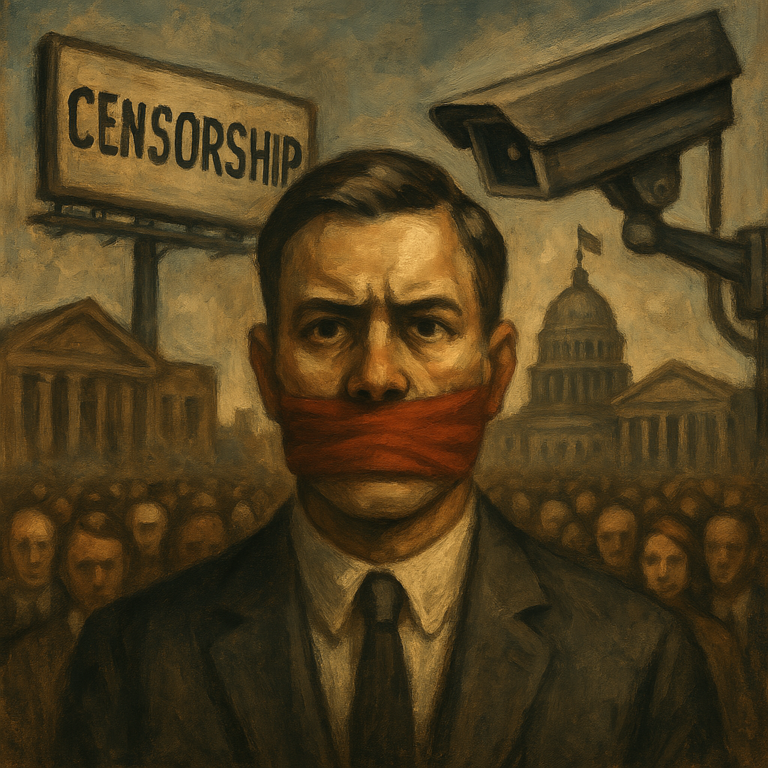
    Part 8 – Digital Censorship and the Engineering of Consent


    Part VIII: 2000 AD to Present – Programming Belief in the Digital Age By the dawn of the 21st century, the tools of narrative management, ideological conformity, and mass persuasion had been sharpened across centuries. Religion had given way to science. Print had yielded to television. Propaganda was no longer a blunt instrument — it…


    Read More Part 8 – Digital Censorship and the Engineering of ConsentContinue

  • Propaganda
    The History of Conspiracy

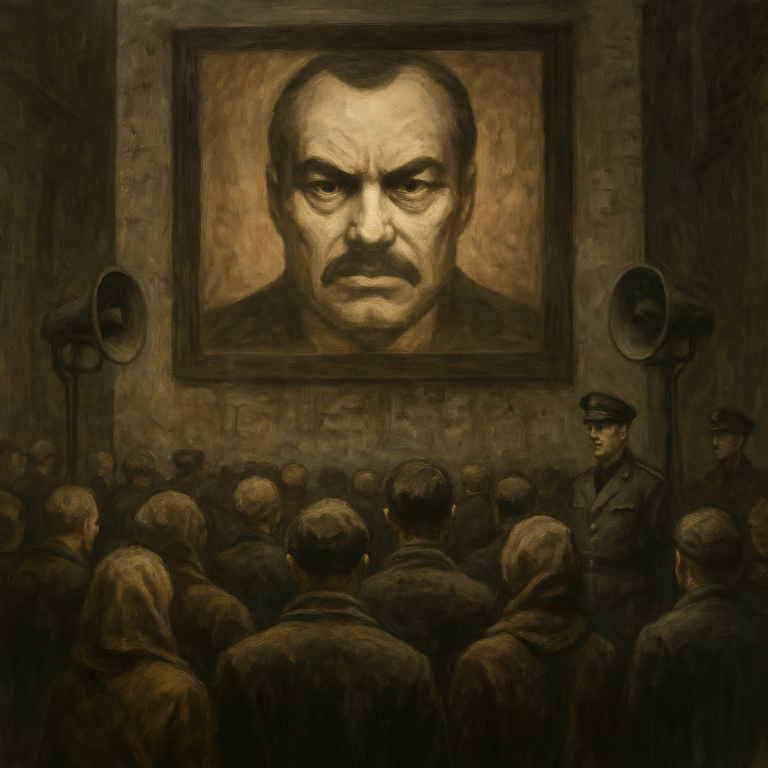
    Part 7 – Propaganda and Power: The Machinery of Belief in the 20th Century


    Part VII: 1900 – 2000 AD – When Conspiracy Became Policy If the earlier centuries built the mechanisms of control, the 20th century perfected their concealment. This was not an era of crude suppression — it was a masterclass in plausible deniability, public relations, and narrative manufacturing. For much of human history, power ruled through…


    Read More Part 7 – Propaganda and Power: The Machinery of Belief in the 20th CenturyContinue

  • history of conspiracy
    The History of Conspiracy

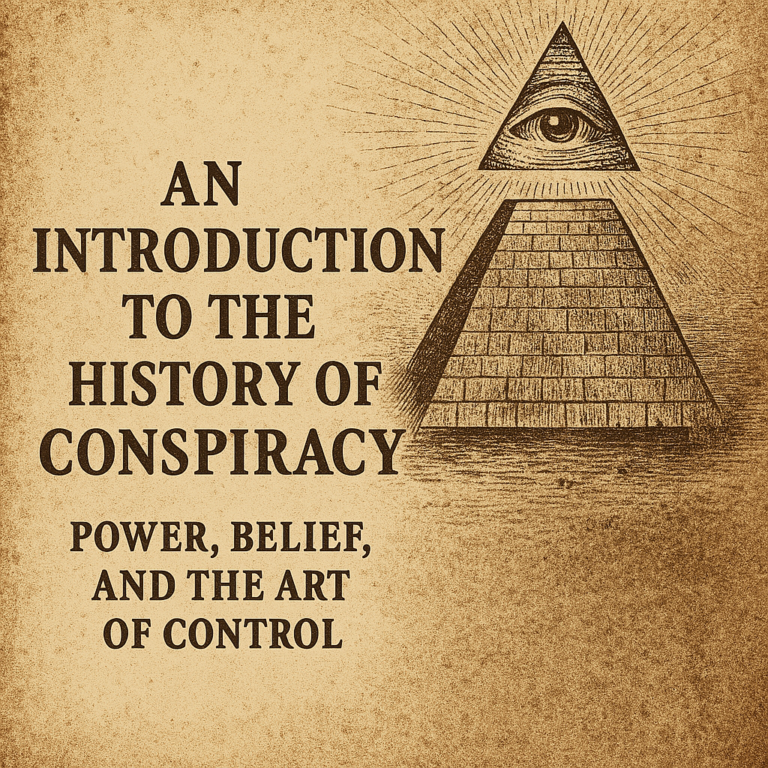
    An Introduction to the History of Conspiracy


      Power, Belief, and the Art of Control What do we mean when we say “conspiracy”? In the modern world, the term often conjures images of shadowy cabals, unhinged speculation, or wild theories that live in the margins of society. It’s a word used to dismiss, to discredit, and to distance. To call something a…


    Read More An Introduction to the History of ConspiracyContinue

  • Control
    The History of Conspiracy

    Part 6 – Science, Statecraft, and the Birth of Secular Control


    Part VI: 1700 to 1900 AD – When Reason Became a Ruler By the 18th century, the world had changed. The fires of the Reformation had cooled, the grip of the Church had loosened, and the Enlightenment dawned with promises of freedom, truth, and human reason. But power — real power — doesn’t disappear. It…


    Read More Part 6 – Science, Statecraft, and the Birth of Secular ControlContinue

  • Reformation
    The History of Conspiracy

    Part 5 – Reformation and Reaction: How Faith Fractured — and Power Fought to Reassert Control


    Part V: 1500 to 1700 AD – When Truth Became a Battlefield For centuries, the Church didn’t need to argue. Its authority was absolute. But in 1517, the Reformation shattered that certainty — a hammer in Wittenberg cracked the system, and through that fissure, ideas poured in: raw, uncontrolled, and unapproved. The Reformation shattered the…


    Read More Part 5 – Reformation and Reaction: How Faith Fractured — and Power Fought to Reassert ControlContinue

  • Inquisition
    The History of Conspiracy

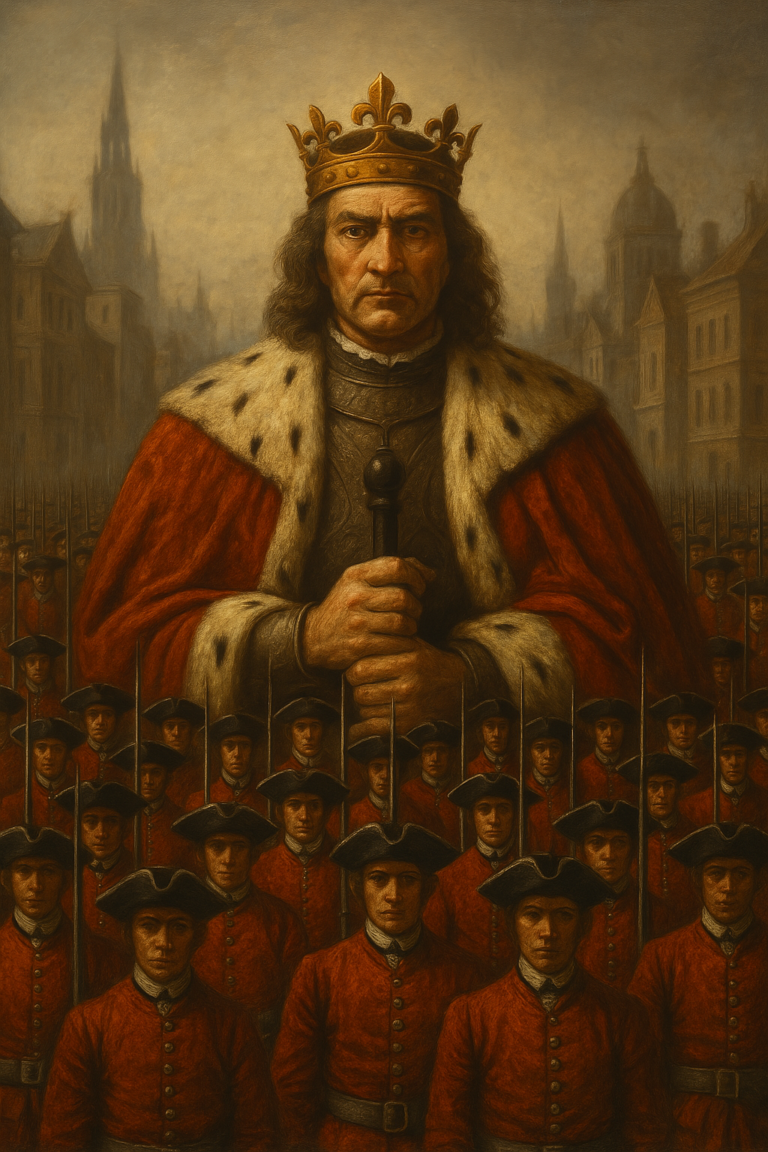
    Part 4 – The Age of Inquisition: How Fear and Faith Were Forged Into Law


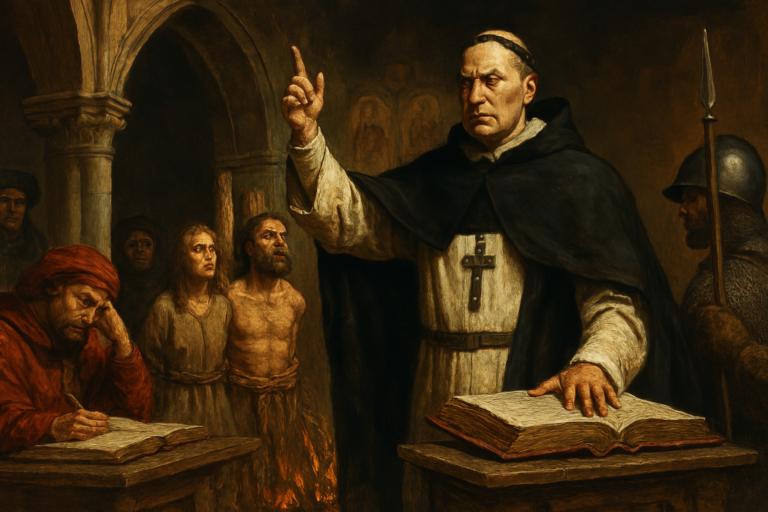
    Part IV: 1000 to 1500 AD: When Belief Became Punishment By the turn of the first millennium, Europe had begun to stabilize after centuries of upheaval following the fall of Rome. But this newfound order wasn’t built on liberty. It was founded on obedience — and the instrument that enforced it was the union of…


    Read More Part 4 – The Age of Inquisition: How Fear and Faith Were Forged Into LawContinue

Page navigation

Previous PagePrevious 1 2 3 4 Next PageNext
  • About Us
  • Contact Us
  • Privacy Policy
  • Terms of Service
Facebook X

Disclaimer

The Uncensored Truth explores historical, psychological, and philosophical perspectives on power, belief formation, and governance. We prioritize critical thinking, factual analysis, and evidence-based conjecture. Content published on this site is intended to encourage discussion, reflection, and inquiry. We do not endorse misinformation, nor do we claim that all perspectives explored are definitively true. We invite readers to engage critically and responsibly with the information presented.

Scroll to top
  • Home
  • About Us
  • Categories
    • Climate
    • Digital surveillance
    • Finance
    • Health
    • New World Order
    • Politics
    • Psychology
  • The History of Conspiracy
    • An Introduction to the History of Conspiracy
    • Part 1 – Divine Rule and Silent Obedience: How Egypt and Mesopotamia Engineered Belief for Control
    • Part 2 – From Republic to Religion: How Rome Engineered Obedience Through Empire and Faith
    • Part 3 – The Church, the Crown, and the Chains of Belief
    • Part 4 – The Age of Inquisition: How Fear and Faith Were Forged Into Law
    • Part 5 – Reformation and Reaction: How Faith Fractured — and Power Fought to Reassert Control
    • Part 6 – Science, Statecraft, and the Birth of Secular Control
    • Part 7 – Propaganda and Power: The Machinery of Belief in the 20th Century
    • Part 8 – Digital Censorship and the Engineering of Consent
    • Part 9 – The Engineered Future: Rise of the Technocracy
  • The Philosophy of Doubt
    • The Philosophy of Doubt – Part 1: Critical Thinking Beyond the Official Story
    • The Philosophy of Doubt – Part 2: Why Critical Thinkers Resist Consensus
    • The Philosophy of Doubt – Part 3: Conspiracy or Coherence? When Dismissal Replaces Debate
    • The Philosophy of Doubt – Part 4: The Rational Mind Under Siege
  • The Psychology of Control
    • Part 1 – The Obedience Reflex: How the Psychology of Obedience Enables Mass Compliance
    • Part 2 – The Manufactured Mind: How Repetition Creates Belief
    • Part 3 – Panopticism: How Surveillance Turned Us Into Our Own Wardens
    • Part 4 – The Reward Trap: How Incentives Shape Compliance
    • Part 5 – Emotional Engineering: How Guilt and Shame Shape Collective Behavior
    • Part 6 – Fear and Free Speech: How Social Pressure Mutes Dissent
  • The Future of Freedom
    • Part 1 – The Panopticon 2.0: Mass Surveillance in the Digital Age